What Beginners Should Know Before Buying Crypto: Essential Insights for New Investors
Many beginners rush into buying cryptocurrency without understanding the basics, which can lead to costly mistakes. Knowing key factors like security, market volatility, and reliable sources to buy from is essential before investing in crypto.
It’s important to recognise that cryptocurrencies are highly volatile and not regulated like traditional investments. Anyone considering buying crypto should be prepared for price fluctuations and understand how to store their digital assets safely.
Researching the purpose of different cryptocurrencies and choosing a secure platform are critical steps. Being informed will help avoid scams and make better decisions in the fast-changing crypto market.
Essential Cryptocurrency Fundamentals
Understanding the basics of cryptocurrency, blockchain technology, and key digital assets is crucial for new investors. Recognising how these elements interact helps manage risks and identify potential opportunities in crypto investment.
What Is Cryptocurrency and Blockchain Technology
Cryptocurrency is a type of digital asset that uses cryptography for secure transactions. It operates on a decentralised ledger called blockchain, which records all transactions across a network of computers.
Blockchain technology ensures transparency and immutability, meaning once data is recorded, it cannot be altered without network consensus. This reduces fraud and central authority control, unlike traditional currencies and databases.
Typically, cryptocurrencies like Bitcoin and Ether rely on blockchain’s proof-of-work or proof-of-stake mechanisms to validate transactions. This decentralisation supports decentralised finance (DeFi) platforms, enabling financial services without intermediaries.
Major Cryptocurrencies and Their Use Cases
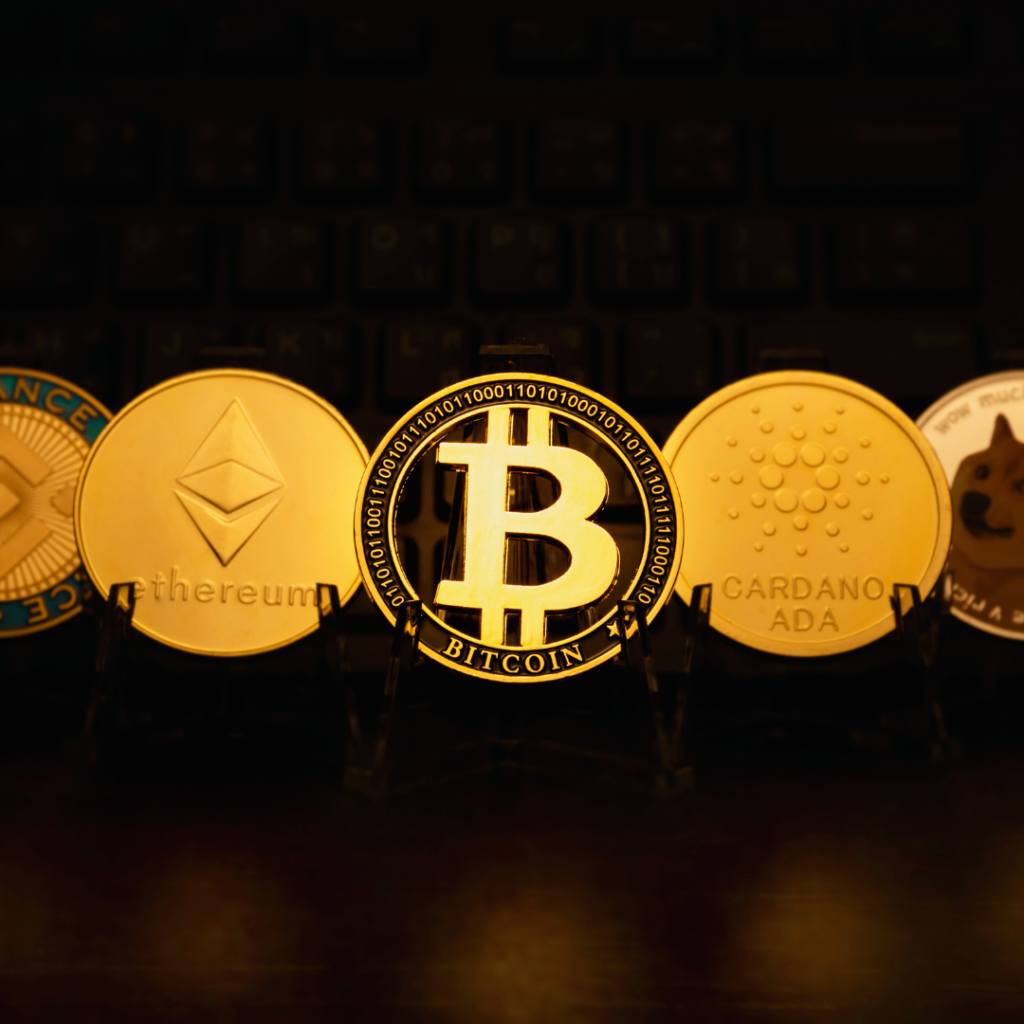
Bitcoin remains the most well-known cryptocurrency, primarily used as a store of value or digital gold. Ethereum, powered by its blockchain, supports smart contracts and decentralised applications, making it central to the DeFi ecosystem.
Other notable digital assets include:
- Solana and Cardano: Focus on scalability and smart contracts.
- Tether: A stablecoin pegged to fiat currencies, used to reduce volatility.
- Ripple (XRP): Streamlines cross-border payments.
- Dogecoin: Originally a meme coin, now used for small transactions and tipping.
Different cryptocurrencies serve distinct purposes, from investment and payments to powering blockchain networks and financial products.
The Role of Digital Assets in Investment Portfolios
Digital assets increasingly feature in diversified investment portfolios. Crypto investors often view them as alternatives to commodities and stocks, offering potential high returns but with high volatility.
Including cryptocurrencies like Bitcoin or Ether can provide portfolio diversification due to their low correlation with traditional assets. However, investors must be aware of risks such as regulatory changes and market fluctuations.
Professional advice recommends allocating only a small percentage of total investments to crypto. This balance helps manage exposure while gaining from the unique growth potential of digital assets.
Key Steps Before Purchasing Cryptocurrency
Before buying cryptocurrency, it is crucial to focus on the platform choice, account setup, and payment methods. Each factor affects security, fees, and ease of use. Careful preparation helps prevent common issues like account freezes or unexpected charges.
Choosing a Reliable Cryptocurrency Exchange
Selecting a trustworthy crypto exchange is vital. Well-known platforms like Coinbase, Kraken, and Crypto.com offer strong security and user support. Ensure the exchange has solid reviews, transparent fees, and complies with local regulations.
Check if the exchange supports the cryptocurrencies intended for purchase. Security features such as two-factor authentication (2FA) and cold storage are essential to protect funds.
It is important to compare transaction fees, withdrawal limits, and liquidity to avoid high costs or delays. Using a licensed exchange reduces risk and improves access to customer service.
Account Creation and Identity Verification
Most crypto exchanges require users to undergo identity verification through a process known as Know Your Customer (KYC). This involves submitting government-issued ID and proof of residence.
Verification times can vary from minutes to several days. Completing KYC is mandatory on platforms like Coinbase and Kraken to access full trading features and comply with anti-money laundering laws.
Users should provide accurate details during registration to avoid account suspension. Setting up strong passwords and enabling 2FA adds layers of security to the account.
Selecting and Funding Your Payment Method
Choosing a payment method depends on convenience, cost, and speed. Common options include bank transfers (ACH or wire), debit cards, and digital wallets like Apple Pay or Google Pay.
Bank transfers usually offer lower fees but take longer to process. Debit card payments enable instant buys but may incur higher charges. Some exchanges may not accept all payment types.
Users should link their chosen method carefully and verify small test transactions if required. Funding accounts securely and understanding the timing of fund availability reduces delays when buying cryptocurrency.
Safe Cryptocurrency Investment Practices
Investing in cryptocurrency requires understanding key risks and security measures. Managing market volatility and applying secure storage methods helps protect investments. Choosing an appropriate investment strategy can further control risk and improve results.
Understanding Market Volatility and Risk Management
Cryptocurrency prices are highly volatile, often experiencing rapid changes in value. Investors should prepare for sudden losses and gains, avoiding emotional reactions.
Using stop-loss orders can limit losses by automatically selling an asset when it reaches a set price. Similarly, limit orders enable buying or selling at a predetermined price, offering more control than market orders.
Price alerts assist investors in monitoring significant changes without constant watchfulness. Combining these tools supports disciplined risk management and helps mitigate large financial setbacks.
Embracing Security Features and Storage Solutions
Protecting crypto assets requires strong security practices to avoid theft or loss. Two-factor authentication (2FA) is essential on trading platforms to prevent unauthorised access.
Investors should store cryptocurrencies in hardware wallets such as Ledger or similar devices. These keep private keys offline, reducing exposure to hacking risks.
Private keys must never be shared or stored digitally where they can be easily accessed. Physical backups of keys should be kept securely. Regularly updating software and staying informed about security threats also supports safe asset management.
Selecting Investment Strategies for Beginners
New investors benefit from systematic approaches like dollar-cost averaging (DCA), which involves buying fixed amounts regularly regardless of price. This reduces the impact of market volatility over time.
Avoid trying to time the market with market orders in volatile environments. Instead, combining DCA with limit orders for targeted entry points adds discipline.
Diversifying investments among different cryptocurrencies and using smaller positions helps spread risk. Beginners should focus on long-term strategies while maintaining flexibility to adjust as markets evolve.
Additional Considerations and Responsibilities
Crypto investors must prepare for specific financial, technical, and social obligations. Understanding tax duties, transaction expenses, and the role of online communities is essential to making informed decisions and avoiding common pitfalls.
Tax Implications and Regulatory Compliance
Cryptocurrency transactions are taxable events in many jurisdictions. Investors should keep detailed records of purchases, sales, and trades to accurately report gains or losses.
Failure to report crypto income or gains can result in penalties. Different countries have varying rules on how crypto is taxed—some treat it as property, others as currency.
It is important to consult local tax authorities or a tax professional. Staying compliant with regulations helps avoid legal risks and unexpected liabilities.
Transaction Costs and Gas Fees
Every crypto transaction involves fees, which can fluctuate significantly. Gas fees on Ethereum and similar networks are charges paid to miners to process transactions.
High demand can lead to expensive gas fees, affecting small trades more noticeably. Some blockchains, like Binance Smart Chain or Solana, offer lower-cost alternatives.
Investors should verify fees before transacting and consider timing trades when network congestion is low. Using wallets that estimate fees in real time helps manage costs efficiently.
| Fee Type | Typical Cost Range | Notes |
| Ethereum Gas | £1 to £50+ per txn | Varies by network load |
| Binance Smart Chain | £0.01 to £0.10 | Lower fees, faster confirmations |
| Bitcoin Network | £0.50 to £30+ per txn | Dependent on transaction size and urgency |
The Influence of Social Media and Community Resources
Social media platforms play a major role in crypto information dissemination. Investors often rely on Twitter, Reddit, and specialised forums for news and trading ideas.
However, these channels can also spread misinformation or hype. Critical evaluation of sources is necessary to avoid scams or misleading advice.
Reputable channels and verified experts provide more reliable insights. Engaging with active communities helps beginners learn, but should be paired with independent research.